How to Use a Baby Monitor for Daytime Naps
What Does 2x Zoom Mean on a Baby Monitor?
What does 2x zoom mean on a baby monitor? It is digital zoom that crops and enlarges the picture, so the view looks closer but softer, not sharper.
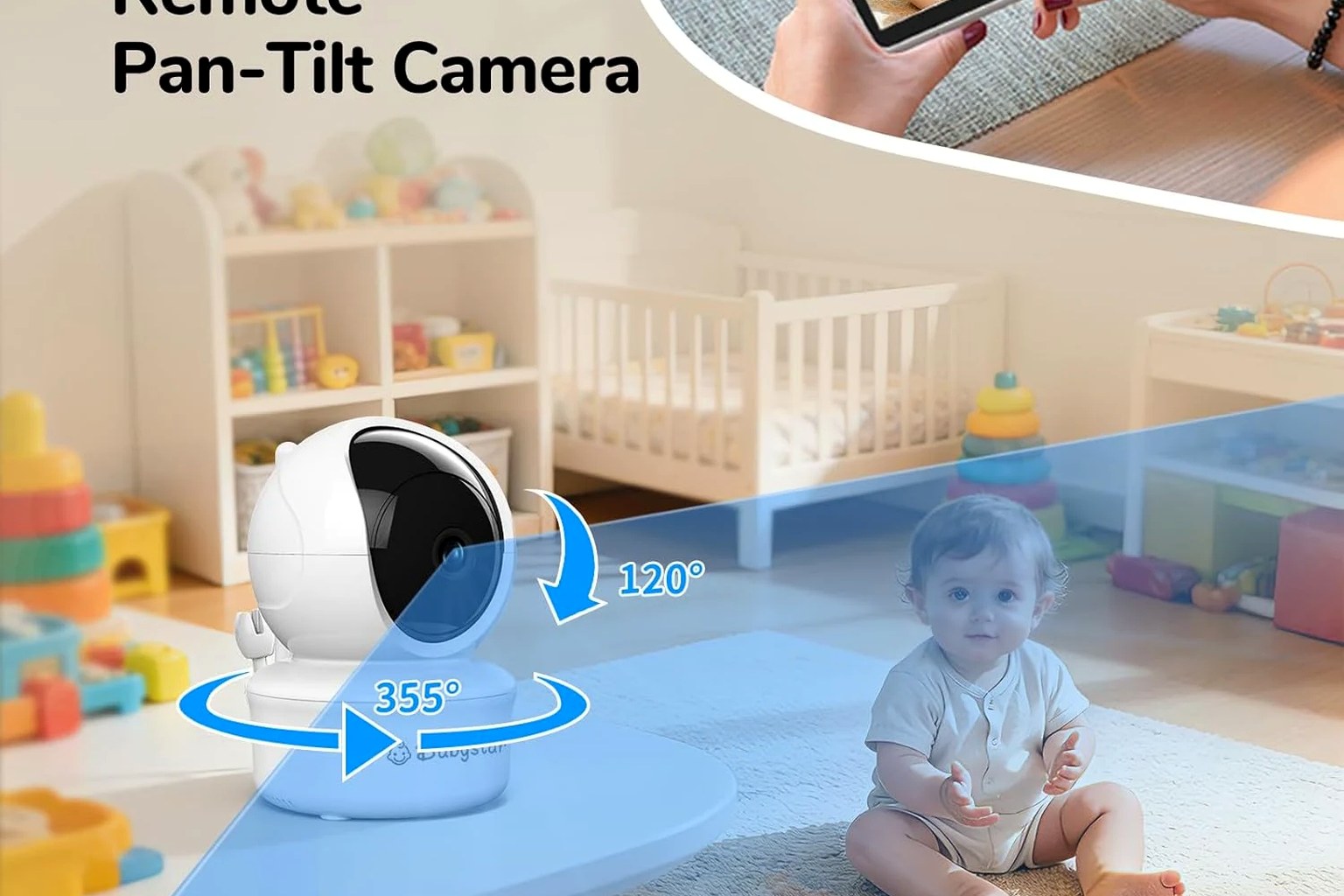
On a baby monitor, 2x zoom means the parent unit magnifies the middle of the camera picture to roughly twice its size. It is digital zoom, not optical, so the screen crops into the existing image and stretches it rather than capturing new detail. The view looks closer, but a little softer.
What does 2x zoom actually do on a baby monitor?
Most video baby monitors, including direct 2.4GHz models with a dedicated parent screen, use digital zoom rather than a moving lens. When you press the zoom button, the camera keeps filming the same scene, but the parent unit takes the central part of that picture and enlarges it to fill the screen. A 2x setting roughly doubles how large your baby appears, so the monitor is really showing about a quarter of the original frame, blown up to full size.
Because nothing physically moves inside the camera, no extra detail is added; the monitor simply makes the pixels it already has bigger. On many models you can then pan or tilt around the cropped view to see different corners of the cot, but you are still moving within that same image.
Digital zoom vs optical zoom: why does the picture look softer?
This is the key thing to understand when you ask what 2x zoom means on a baby monitor. Optical zoom uses glass lens elements that physically move to magnify a scene before it reaches the sensor, so the image stays sharp because every pixel is still being used. Digital zoom does the opposite: it crops away the outer part of the frame and enlarges what is left, filling the gaps by estimating pixel values, a process called interpolation.
The result is a closer but slightly softer, grainier picture, and the more you zoom, the more obvious that becomes. It is the same effect as cropping a photo on your phone and stretching it back to full screen. Lower-resolution cameras show it sooner, which is one reason a modest 2x step is common on baby monitors rather than an aggressive setting that would look blocky.
How does 2x zoom work on the Babystar SM650?
The Babystar SM650 lists 2x digital zoom among its features, alongside remote pan and tilt, all controlled from its 5-inch parent screen for £49.99 including VAT. The camera records at 640×480 and the parent screen is a 480×272 display, so at 1x you already see the whole cot for everyday checks. Switching to 2x crops into the centre of that feed and enlarges it, letting you look more closely at your baby’s face without getting up. It connects straight to the parent unit over a direct 2.4GHz link, with no home Wi-Fi, app or account.
Keep your expectations realistic. Because this is digital zoom on a compact camera, the zoomed image will look a little softer than the full view, and detail will not improve beyond what the camera captured. For most parents, 2x is best treated as a quick closer look rather than a detailed inspection tool.
When is 2x zoom on a baby monitor useful?
Used sensibly, 2x zoom is a handy everyday feature. It can help you see whether your baby has settled, shifted position, or wriggled to the far end of the cot, without opening the door and risking a wake-up. During daytime naps it can make a small figure on the screen easier to read at a glance.
It is worth being clear about what zoom cannot do. A video monitor is not a medical device, and zooming in does not let it track breathing or health. The Lullaby Trust says there is no research showing monitors prevent SIDS, and that a monitor can never replace a parent or carer’s supervision; it advises staying in the same room as your baby for the first six months. Treat 2x zoom as reassurance between in-person checks, and if you are ever worried about your baby, check in person.
How to get a clearer view without relying on zoom
Because digital zoom cannot add detail, the biggest improvements come from camera setup rather than the zoom button:
- Position the camera so the cot fills a good part of the frame at 1x; a closer, well-aimed camera beats zooming into a distant one. Keep the camera, its cable and the mains adaptor well out of your baby’s reach.
- Give the camera a clear line of sight, with no cot bumper, mobile or bars blocking the lens.
- Provide enough light where you can. In the dark, infrared night vision produces a lower-contrast black-and-white image, so zooming in at night softens the picture further.
- Wipe the lens gently, as dust and smears reduce clarity before you even zoom.
If you are still shopping around, our guide to the best baby monitors under £50 covers what actually matters day to day. Getting the basics right gives a sharper 1x picture, which means a better 2x view when you use it.
FAQ
Is 2x zoom on a baby monitor optical or digital?
On nearly all baby monitors, including the Babystar SM650, 2x zoom is digital. The camera has no moving lens, so the parent unit crops the centre of the picture and enlarges it. That is why it looks closer but a little softer than the standard 1x image.
Does 2x zoom make my baby monitor picture clearer?
No. Zooming in cannot add detail the camera did not capture; it just makes the existing image larger, so fine detail looks slightly softer or grainier. For a clearer view, move or re-aim the camera rather than relying on the zoom button.
Can I zoom in to check if my baby is breathing?
No. A video baby monitor is not a breathing or medical monitor, and zooming does not change that. If you want to be sure your baby is well, check in person. The Lullaby Trust recommends staying in the same room as your baby for the first six months.
Why does the picture get worse at night when I zoom in?
At night the camera switches to infrared, giving a lower-contrast black-and-white image. Digital zoom then enlarges that already softer picture, so grain becomes more visible. Good camera placement and a clear line of sight help far more than zooming in the dark.