Baby Heartbeat Monitor Explained: A UK Buyer's Guide
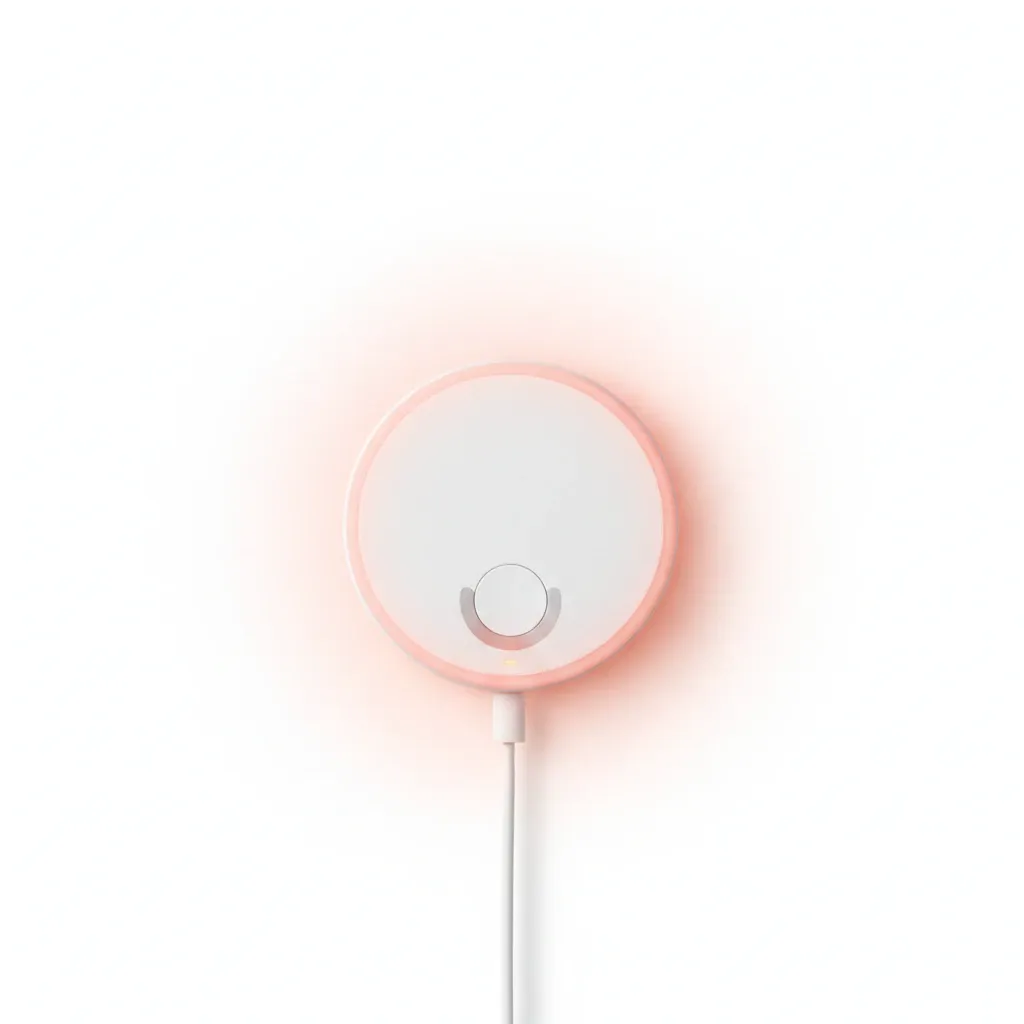
Short answer: a baby heartbeat monitor can be a helpful extra source of reassurance, but it should be understood as a wellness aid rather than a substitute for safe sleep, parental supervision or medical advice. In the UK, parents should treat any heart rate, oxygen or movement reading as context, not a diagnosis. If you are worried about your baby, seek professional help rather than relying on an app or alarm.
The phrase "baby heartbeat monitor" can mean two different things. Some people use it to describe a wearable baby monitor for a newborn or infant. Others mean a home fetal Doppler used during pregnancy. Those are very different products, with different safety considerations. This guide explains the difference, what features matter, and how UK parents can choose a monitor responsibly.
What is a baby heartbeat monitor?
A baby heartbeat monitor is usually a device designed to track or display a baby's heart rate. In the baby-care market, this often means a soft wearable sensor, sometimes worn on the foot, that sends wellness information to a parent app. Depending on the model, it may also show oxygen level trends, sleep status, movement or room conditions.
These devices are not the same as the monitors used in hospitals. Clinical monitors are used by trained staff, in a controlled setting, with professional interpretation. A home monitor can provide extra information, but it cannot tell you everything about a baby's health.
Is a baby heartbeat monitor the same as a fetal Doppler?
No. A fetal Doppler is used during pregnancy to listen for a fetal heartbeat. A wearable baby monitor is used after birth to track an infant's wellness information. This distinction matters because a fetal heartbeat can be difficult to interpret at home, and hearing a sound does not necessarily mean everything is well.
If you are pregnant and notice reduced or changed baby movements, contact your midwife or maternity unit. Do not use a home listening device as reassurance. Movement changes need professional assessment, even if a heartbeat appears to be present.
What can a wearable baby heartbeat monitor show?
Features vary by product, but most wearable baby monitors focus on wellness signals such as:
- heart rate trends
- oxygen level estimates
- sleep status or sleep session history
- movement or wake alerts
- base station, app or phone notifications
- battery level and connection status
The key word is trends. One reading should not be treated in isolation. Fit, movement, signal quality, cold feet, app connection and sensor placement can all affect the reading. A good monitor should make it clear when data quality is poor rather than presenting every number as certain.
Can a baby heartbeat monitor prevent SIDS?
No home baby monitor should be bought on the assumption that it prevents SIDS. A monitor may alert you to a change or help you notice a pattern, but it does not replace evidence-based safe sleep habits.
For healthy babies, safe sleep basics remain more important than any gadget: place your baby on their back, use a firm flat sleep surface, keep the sleep space clear, avoid overheating, and follow UK safe sleep guidance. Monitors can support parental awareness, but they are not a safety net on their own.
What should UK parents look for before buying?
1. Clear product claims
Be cautious of any monitor that promises too much. Look for clear wording about what the device is intended to do. If a product is described as a wellness monitor, treat it as a wellness monitor. If your baby has a medical condition or was born prematurely, ask a healthcare professional what type of monitoring is appropriate.
2. Comfortable fit
A wearable monitor should be soft, secure and correctly sized. It should not leave marks, feel tight or interfere with normal sleep positioning. Fit also affects accuracy: a loose sensor may create false readings, while an overly tight one is not suitable for regular use.
3. Reliable alerts
Useful alerts should be understandable and actionable. Parents need to know whether an alert means low battery, poor placement, weak connection or a reading outside the expected range. Too many false alarms can create stress and make it harder to respond calmly.
4. Battery and connection quality
Check charging time, overnight battery life, Bluetooth or WiFi requirements, and what happens if the phone loses connection. A good system should make connection problems obvious rather than silently stopping updates.
5. Data privacy
Baby health and sleep data is sensitive. Check what information is collected, whether the app requires an account, how data is stored, and whether you can use core features without unnecessary sharing.
How should parents use a baby heartbeat monitor safely?
The safest approach is to treat a monitor as one extra layer of information. It can sit alongside ordinary checks such as watching your baby's colour, breathing, feeding, temperature, responsiveness and general behaviour.
- Follow the manufacturer's fitting and charging instructions.
- Check the sensor position before sleep.
- Respond to alerts calmly and look at the baby, not only the app.
- Do not ignore symptoms because a reading looks normal.
- Do not use the monitor as permission to change safe sleep practices.
- Contact a healthcare professional if you are worried.
When should you seek medical help instead of checking the app?
Use your judgement and seek help if your baby seems unwell. Warning signs can include breathing difficulty, blue or very pale colour, unusual limpness, poor feeding, a high temperature in a young baby, repeated vomiting, a rash that concerns you, or behaviour that feels very different from normal. If something feels urgent, call emergency services. If you are unsure, use NHS 111 or contact your GP, midwife, health visitor or local urgent care service.
A reassuring number on a monitor should never override what you can see in front of you. If your baby looks unwell, act on the baby, not the screen.
Baby heartbeat monitor vs audio or video monitor
| Monitor type | What it helps with | Important limit |
|---|---|---|
| Audio monitor | Hearing cries and wake-ups from another room | No heart rate or oxygen information |
| Video monitor | Seeing sleep position and movement | Cannot diagnose health problems |
| Wearable heartbeat monitor | Tracking heart rate or wellness trends | Can give false alarms or false reassurance |
| Clinical medical monitor | Professional monitoring under medical care | Used when advised by healthcare professionals |
FAQ
Are baby heartbeat monitors worth it?
They can be worth it for parents who want extra wellness information and understand the limits. They are less useful if they increase anxiety, create frequent false alarms or are treated as a replacement for safe sleep and professional advice.
Can I use a baby heartbeat monitor for a newborn?
Only use a monitor that is suitable for your baby's age, weight and size, and follow the product instructions closely. If your baby has medical needs, ask a healthcare professional before relying on any home monitor.
What is the difference between a baby sock monitor and a baby heartbeat monitor?
A baby sock monitor is a type of wearable monitor. It may track heart rate, oxygen estimates or sleep trends using a sensor worn on the foot. "Baby heartbeat monitor" is a broader search term and can also refer to fetal Dopplers, so always check what type of product is being discussed.
Should I buy a fetal Doppler for pregnancy reassurance?
Home fetal Dopplers can be misleading if used without training. If you are pregnant and worried about movements, pain, bleeding or any other symptom, contact your midwife or maternity unit rather than trying to reassure yourself at home.
Final buying advice
A baby heartbeat monitor is best viewed as a comfort and awareness tool. Choose one with clear claims, comfortable fit, sensible alerts, strong privacy controls and honest guidance about limitations. Most importantly, keep safe sleep and professional medical advice at the centre of your decisions. Technology can support parents, but it should never replace careful observation or timely help when something feels wrong.
Ready to try BabySock for a better night's sleep?
Shop Now — £294.38